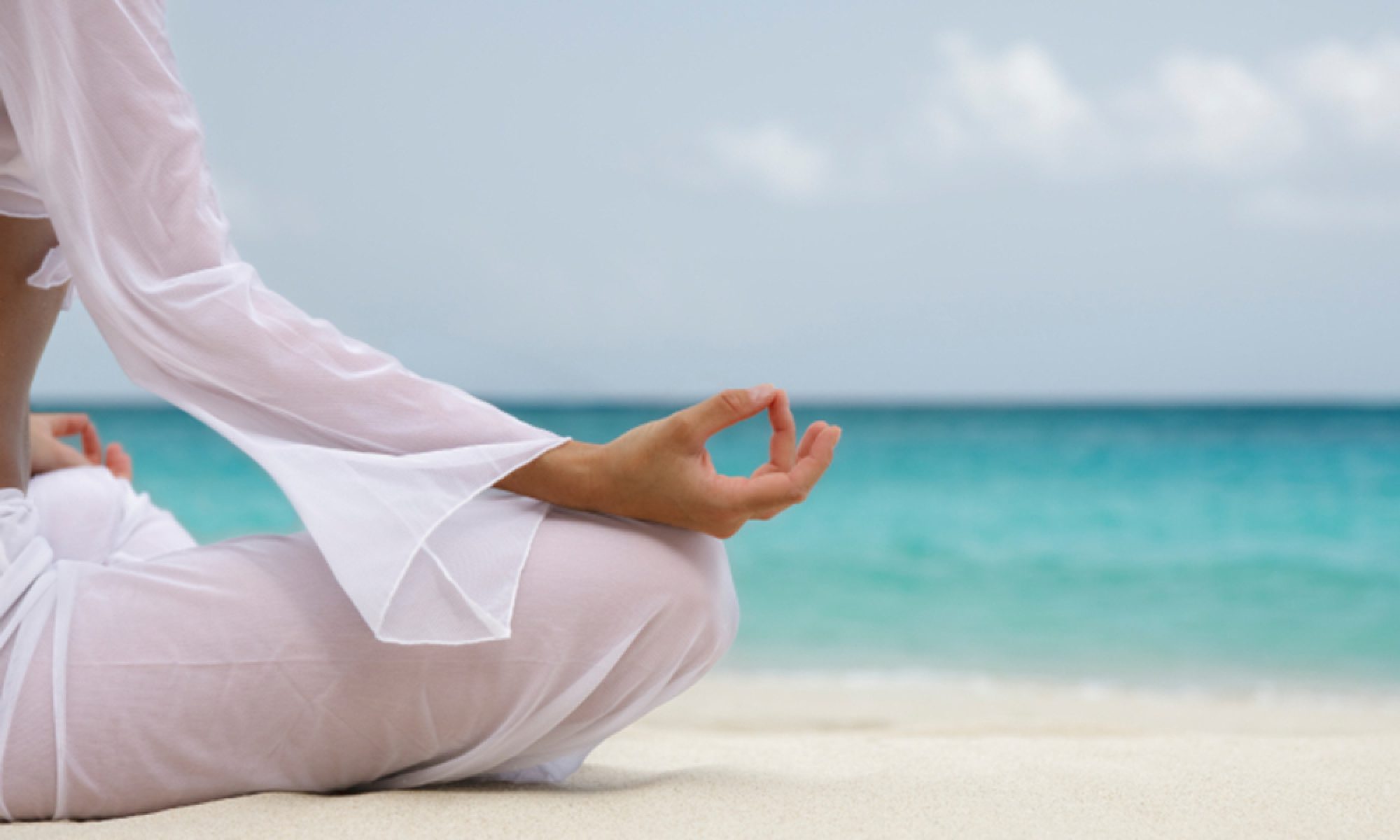

Chakras are various focal points used in a variety of ancient meditation practices, collectively denominated as Tantra, or the esoteric or inner traditions of Hinduism.

Crown Chakra
Violet
Highest spiritual centre, pure consciousness, containing neither object nor subject. When the feminine Kundalini Shakti rises to this point, it unites with the masculine Shiva, giving self-realization and samadhi. In esoteric Buddhism, it is called Mahasukha, the petal lotus of “Great Bliss” corresponding to the fourth state of Four Noble Truths.

3rd Eye Chakra
Indigo
Guru chakra, or in New Age usage third-eye chakra, the subtle center of energy, where the tantra guru touches the seeker during the initiation ritual. He or she commands the awakened kundalini to pass through this center.

Throat Chakra
Blue
16 petals covered with the sixteen Sanskrit vowels. Associated with the element of space (akasha). The residing deity is Panchavaktra shiva, with 5 heads and 4 arms, and the Shakti is Shakini.
In esoteric Buddhism, it is called Sambhoga and is generally considered to be the petal lotus of “Enjoyment” corresponding to the third state of Four Noble Truths.

Heart Chakra
Green
Within it is a yantra of two intersecting triangles, forming a hexagram, symbolizing a union of the male and female, and the element of air (vayu). The presiding deity is Ishana Rudra Shiva, and the Shakti is Kakini.
In esoteric Buddhism, this Chakra is called Dharma and is generally considered to be the petal lotus of “Essential nature” and corresponds to the second state of the Four Noble Truths.

Solar Plexus
Yellow
For the Nath yogi meditation system, this is described as the Madhyama-Shakti or the intermediate stage of self-discovery. This chakra is represented as a downward pointing triangle representing fire in the middle of a lotus with ten petals. The presiding deity is Braddha Rudra, with Lakini as the Shakti.

Sacral Chakra
Orange
Svadhisthana is represented with a lotus within which is a crescent moon symbolizing the water element. The presiding deity is Brahma, with the Shakti being Rakini (or Chakini).
In esoteric Buddhism, it is called Nirmana, the petal lotus of “Creation” and corresponding to the first state of Four Noble Truths.

Root Chakra
Red
Dormant Kundalini is often said to be resting here, wrapped three and a half, or seven or twelve times. Sometimes she is wrapped around the black Svayambhu linga, the lowest of three obstructions to her full rising (also known as knots or granthis). It is symbolized as a four-petaled lotus with a yellow square at its center representing the element of earth.
The seed syllable is Lam for the earth element. All sounds, words and mantras in their dormant form rest in the muladhara chakra, where Ganesha resides, while the Shakti is Dakini. The associated animal is the elephant.
To meditate on a particular chakra you concentrate on that area along with its color. To meditate on all of the chakras you start with the bottom (root) chakra and move your way up to the top (crown) chakra while meditating on the color of each chakra along with the speed of the chakras. The root chakra is the slowest spinning chakra and each chakra gains speed and momentum until you reach the crown chakra which spins the fastest.
Some information and all the images are courtesy of Wikipedia.